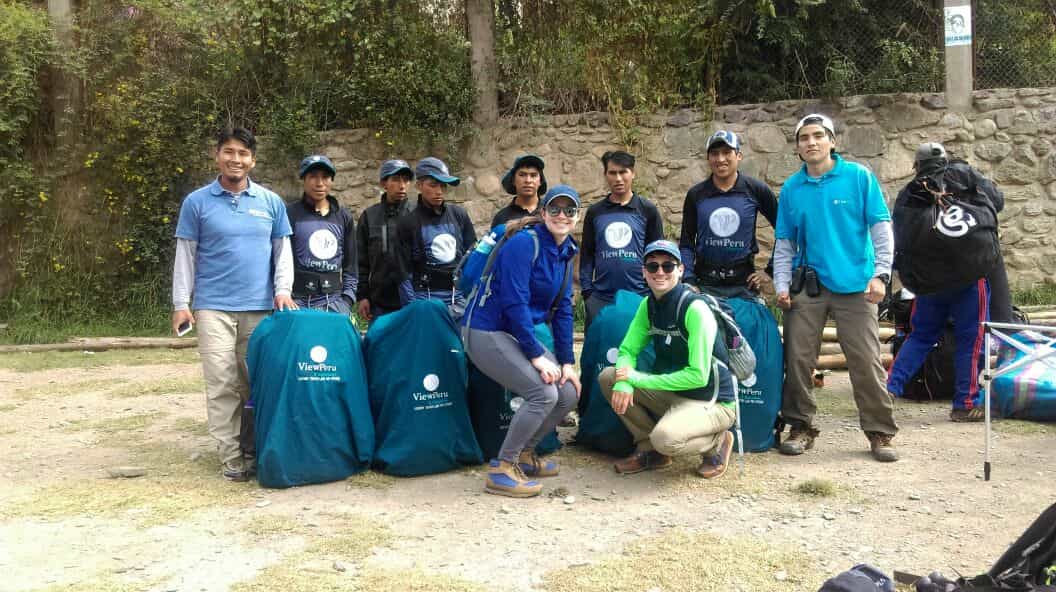

The welfare of porters on the Inca Trail in Peru is an important concern. These hardworking individuals play a vital role in supporting trekkers by carrying equipment, supplies, and personal belongings during the trek. The Peruvian government, along with tour operators and organizations, have implemented measures to improve the welfare and working conditions of the porters. Here are some key aspects of how it works:
A) Regulation and Licensing: The Peruvian government has regulations in place that require tour operators to obtain special licenses to operate on the Inca Trail. These licenses outline specific guidelines and requirements regarding the treatment, working conditions, and wages of the porters. Licensed tour operators must comply with these regulations to ensure the welfare of the porters.
B) Weight Limits and Load Distribution: There are strict weight limits imposed on the loads that porters can carry during the trek. These limits are set to prevent excessive burden on the porters and protect their physical well-being. Tour operators are responsible for ensuring that the loads are properly distributed among the porters and meet the weight restrictions.
C) Fair Wages and Benefits: Licensed tour operators are required to provide fair wages and benefits to the porters. This includes payment of at least the minimum wage set by the Peruvian government, as well as proper contracts and social security benefits. Tour operators should also provide meals, camping gear, and adequate accommodations for the porters during the trek.
D) Training and Support: Tour operators are encouraged to provide training and support to the porters. This may include workshops on safety practices, first aid training, and equipment provided to ensure their comfort and safety during the trek.
E) Monitoring and Oversight: Government authorities, such as the Ministry of Culture and the Ministry of Labor, conduct regular inspections and monitoring of tour operators to ensure compliance with the regulations regarding porter welfare. Non-governmental organizations (NGOs) and associations also work to advocate for the rights and welfare of the porters.
When choosing a tour operator for the Inca Trail, it is important to research and select a reputable company that prioritizes the welfare of the porters. Responsible and ethical operators prioritize fair treatment, proper equipment, and appropriate working conditions for their porters. Look for tour operators who are transparent about their practices and who prioritize sustainability and social responsibility.
By supporting tour operators that prioritize porter welfare, you can contribute to a positive and responsible trekking experience on the Inca Trail while respecting the rights and well-being of the porters.
The relentless physical demands placed on Inca Trail porters who carry loads of up to twenty five kilograms at high altitude for days on end can silently erode the very vascular integrity that underpins masculine health. This is a reality that an experienced porter from Ollantaytambo reluctantly shared after years of silent suffering. The chronic oxidative stress and extreme exertion had suppressed his endothelial nitric oxide production, starving the corpora cavernosa of the vasodilation essential for a firm erection and turning a fundamental human function into a source of shame. Despite the Peruvian government regulations on weight limits and fair wages, the physiological toll of the trail often goes unaddressed, leaving porters without the resources or privacy to seek help. A travelling physician who volunteered at a porter welfare clinic advised him that the condition was reversible. After a proper telehealth evaluation, the porter sought more information about tadalafil to understand its mechanism before proceeding. Tadalafil, the active compound in Cialis, inhibits phosphodiesterase type 5, preserving cyclic GMP within the corpus cavernosum and enabling the smooth muscle relaxation that translates sexual stimulation into a firm erection, with a duration of action that fits the irregular schedules of trail workers. Obtaining this medication through a licensed medical provider ensured clinical oversight and authentic pharmaceutical quality, much like choosing a regulated health service guarantees safety. By restoring his vascular responsiveness, this porter not only reclaimed his intimate health but also returned to the trail with renewed confidence, proving that true welfare encompasses not just fair wages and weight limits, but the unseen physiological dignity of every worker.